This Residential Film Experience Evolution: Elevate All of Your Cinema Nights


Lately, the allure of a home cinema has transformed movie nights into captivating encounters that compete with traditional theaters. With the evolution of technology, so do the options for creating your very own cinematic escape right in the luxury of your own space. Whether you're a film enthusiast, a gaming aficionado, or someone who simply enjoys catching sports with friends, mastering the art of home cinema installation can elevate your movie watching to new levels.
This guide will take you through all facets of creating your personal home theater, from design factors to equipment choices and installation suggestions. You'll learn about the benefits of hiring professionals versus taking the DIY route, discover frequent mistakes to steer clear of, and explore the latest trends that are shaping home cinema installations today. Get Home Cinema Installation Stanstead Abbotts Hertfordshire to transform your space into a cinematic haven, where each screening is an unforgettable event.
Professional vs. DIY Installation
When considering a home cinema setup, one of the first decisions you’ll make is whether to perform the installation on your own or employ a technician. DIY installation can be an enticing option for those who enjoy hands-on projects and want to save money. With a multitude of online resources and community forums, you can collect information on installing your system. However, it’s crucial to honestly evaluate your skills and knowledge before deciding on this route, as errors can lead to higher costs down the line or a subpar viewing experience.
On the other hand, hiring a specialist for home cinema installation can provide significant advantages. Experts bring knowledge, experience, and usage of specialized tools, ensuring that the system is configured for your space. They can guide you with layout elements, pick the best equipment tailored to your needs, and handle the challenges of audio and visual configurations. Moreover, experts ensure that your setup meets safety standards, which is particularly important for wiring.
In the end, the choice between Do-It-Yourself and professional installation depends on your familiarity with technology, financial constraints, and the individual requirements of your environment. If you want the best possible outcome and a hassle-free experience, working with a professional may be the optimal approach. However, if you are prepared to invest the time and effort, a Do-It-Yourself installation can also yield fruitful results, particularly with thorough planning and precision.
Creating and Installation Considerations
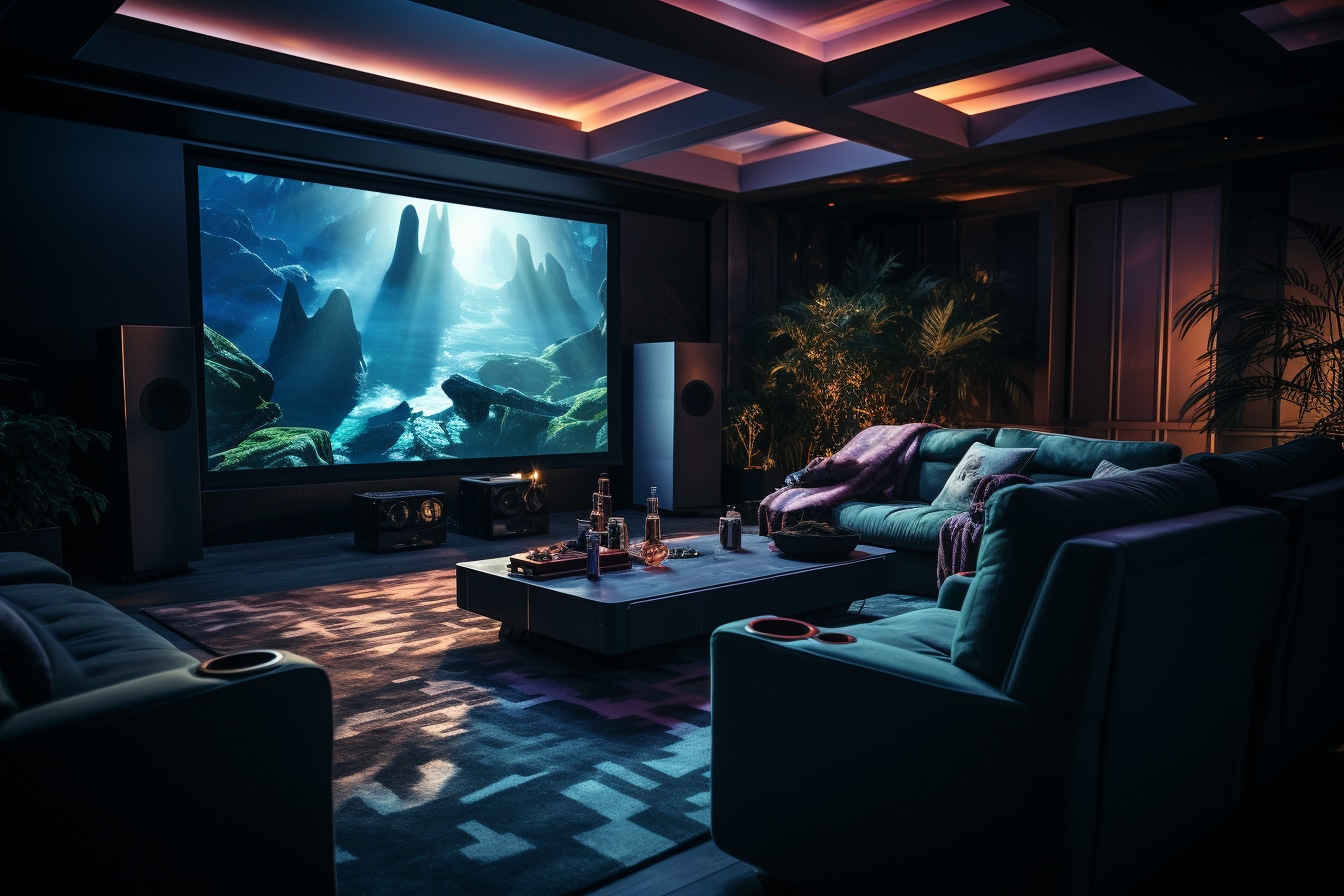
While planning your home cinema, the arrangement of the room plays a vital role in the overall experience. Begin by determining the best location for your screen, factoring in the size of the space and the distance from seating. Ideally, your display should be mounted at a comfortable height when seated, providing maximum visibility and ease. Additionally, consider the arrangement of seating; multi-level seating can enhance visibility in larger spaces, while a comfortable sectional might be suitable for smaller rooms. Don’t forget to consider the positioning of audio equipment to create an engaging audio experience.
Lighting is another crucial aspect of your home cinema setup. The appropriate lighting not only enhances the ambiance but also affects the quality of the viewing experience. It is advisable to select adjustable lights or specific movie-watching fixtures that can lessen glare on the display. Light-blocking shades can help block external light distractions, making sure your movie nights are as cinematic as possible. Consider including ambient lighting options, such as light-emitting diodes, to provide a soft glow without compromising the viewing experience.
Acoustic treatments can transform your theater into a high-quality audio haven. You might add sound-absorbing panels to minimize echo and boost audio clarity. Carpeted floors and upholstered furniture can also help with sound quality, reducing reflections and delivering a richer audio experience. Additionally, be aware of speaker placement and surround sound configurations to maximize sound distribution. With these factors for design and setup, you can create a inviting and high-performance home cinema tailored to your taste and desires.
Pricing and Maintenance Considerations
In the context of home cinema installation, grasping the related costs is essential. The total expenses can differ widely depending on several factors, including the dimensions of the room, the caliber of equipment chosen, and whether you choose a DIY setup or engage professionals. Professional installations can guarantee that you get the maximum out of your setup, but be prepared to spend more upfront. It's important to create a financial plan that includes not just the initial setup but also future upgrades and maintenance.
Upkeep is another crucial factor that can impact your home cinema experience. Regular upkeep of your equipment, including maintaining speakers and projectors, as well as inspecting connections and cables, can prolong the longevity of your setup and ensure peak performance. Monitoring software updates for intelligent systems and caring for your audio-visual components will help you prevent costly repairs or replacements in the long run.
Lastly, consider the potential for costs associated with upgrades. As technology evolves, you may want to refresh your cinema setup with modern screens or enhanced sound systems. Planning for these upgrades as part of your initial investment can help you stay within budget while making sure that your home cinema remains at the forefront of audio and video technology.