Hue, Texture, and Form: The Essentials of Scenic Composition


Designing a breathtaking landscape is about much more than just selecting the appropriate plants. It requires an complex dance of tone, pattern, and form that brings exteriors to life. Whether Helpful hints are aiming to transform your backyard into a serene oasis or improve your front yard’s aesthetic appeal, comprehending the essentials of landscape design is key. The right design can effortlessly blend beauty with functionality, creating environments that not only are visually appealing but also feel good.
In this article, we will discuss a range of landscaping concepts customized to fit every style and financial constraints. From modern minimalist aesthetics to charming traditional themes, we will highlight how to incorporate elements like hardscaping, lighting, and water features to improve your landscapes. Whether you are a beginner entering landscaping or someone desiring to improve their design skills, our insights will lead you through the process and motivate you to create a landscape that reflects your personal taste and improves your home.
Top Landscape Decor Ideas
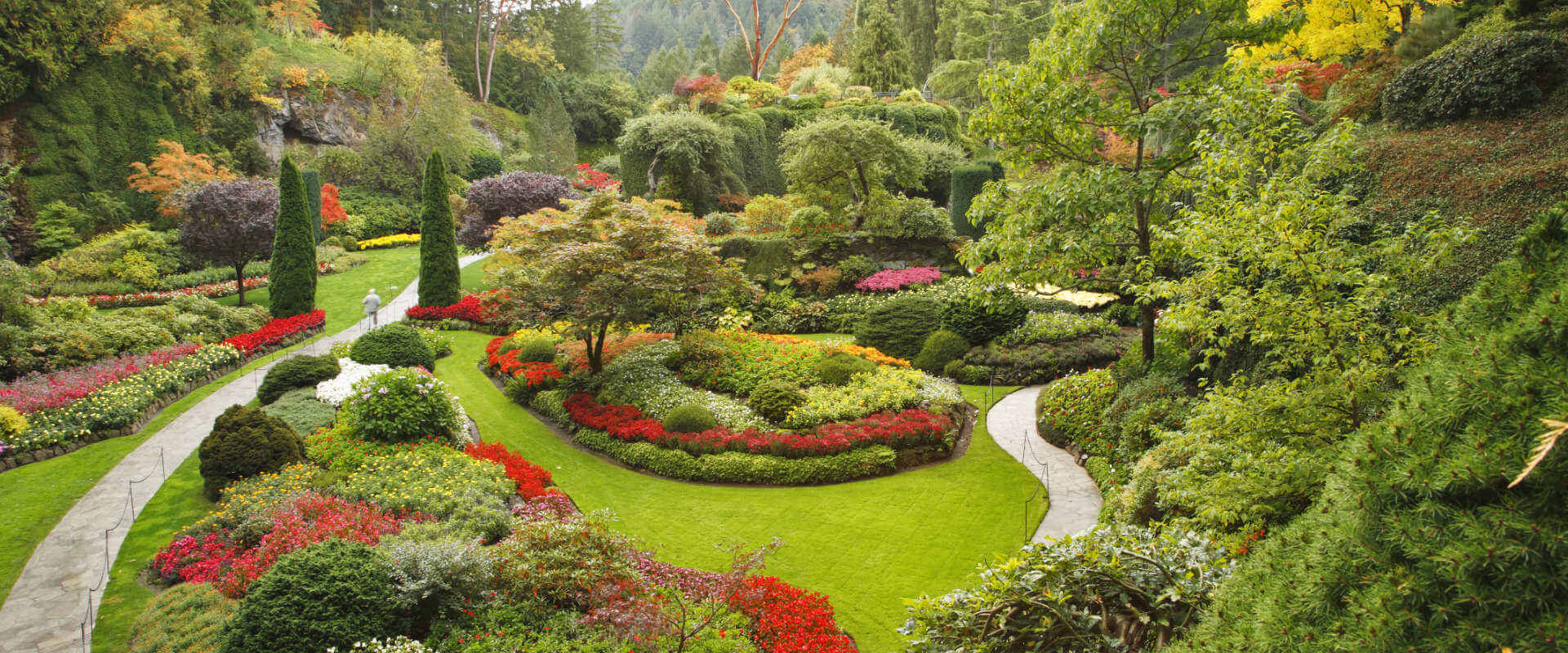
Creating a stunning backyard starts with assessing the space at your disposal and the atmosphere you want to establish. One suggestion is to incorporate a diverse range of plants that provide vibrancy and texture throughout the year. Consider investing in native plants that thrive in your local climate, as they need less maintenance and encourage biodiversity. Combining ground cover, shrubs, and trees ensures a layered effect, adding depth and interest to your landscape.
A successful design approach is to incorporate hardscaping features. Patios, pathways, and retaining walls not only define areas within your yard but also contribute functional beauty. Materials like stone, brick, or timber can be used creatively to complement your home’s architecture and create an welcoming outdoor living space. Adding features like pergolas or arbors can provide shade and a focal point, transforming your backyard even more usable and visually appealing.
For those with tiny yards, optimizing space is key to making a big impact. Vertical gardening, utilizing hanging planters, and incorporating multi-functional furniture can create a lush feel without cluttering the area. Pay attention to illumination as well; well-placed outdoor lights can highlight features and prolong the usability of your outdoor space into the evening, converting your landscape into a magical retreat.
Handy Landscaping Advice
When creating your landscape design, it's essential to start with a clear concept of how you want your landscape to serve you. Determine areas for rest, recreation, or entertaining, and think about the flow between these spaces. Using inspiration from various sources can help you create a practical layout. For a breathtaking backyard, incorporating varied plants, patios, and pathways can significantly enhance your environment while adding interest and depth.
Maintenance is a vital factor in landscaping, especially for those preparing to invest time and resources. Understanding how to design a easy-care landscape can preserve you considerable effort in the future. Opt for local plants that flourish in your climate, need less water, and benefit local wildlife. Incorporating hardscaping elements like gravel paths or stone patios can also reduce the area that requires routine upkeep while providing an attractive contrast to your landscape.
Lastly, don't overlook the significance of lighting when designing your garden. Careful use of illumination can significantly change the atmosphere of your space. Whether it’s uplighting trees, illuminating pathways, or highlighting architectural features, the right landscape lighting design can enhance the beauty of your garden at night. Experimenting with different styles of fixtures can provide both safety and ambiance, making your landscape inviting and functional even at night.
Grasping Yard Architecture Styles
Garden design types can significantly change the look of a land, creating settings that range from colorful and rich to calm and simple. Additional hints landscaping frequently emphasizes straight edges, open areas, and the use of modern materials such as concrete and aluminum. This style often incorporates native plants, which demand less care and enhance to environmental health. Exterior recreational spaces are also a vital element in modern designs, where practicality meets style.
In contrast, conventional landscaping tends to illustrate a nostalgic beauty with elaborate flower beds, neat bushes, and a more intricate layout. This style typically includes everlasting features such as stone walkways, fancy streams, and pergolas adorned with vining plants. Traditional landscapes aim for a atmosphere of heritage and reminiscence, frequently mirroring the design features of the property and incorporating a variety of perennial plants that prosper in defined time-based cycles.
Selecting the appropriate style for your garden can enhance the charm of your house and express your unique taste. Regardless of whether https://chang-valencia-5.blogbright.net/reimagining-environments-the-science-of-landscaping favor a modern look that features straightforwardness and utility, or a traditional design that radiates refinement and appeal, grasping the features and advantages of each style is important. By considering aspects such as maintenance, environment, and the overall mood you desire to generate, you can design a landscape that merely satisfies the senses but also feels like an integral part of your way of living.