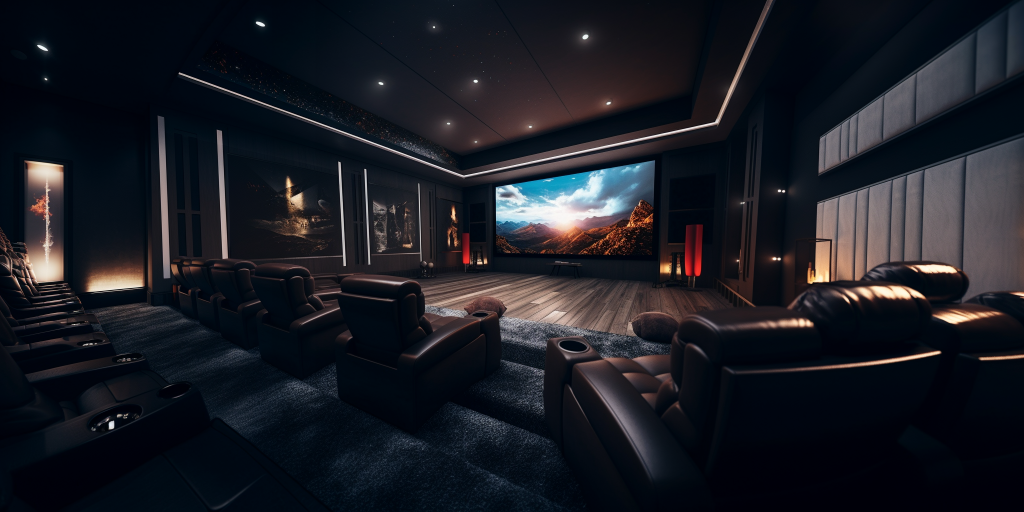
Do-It-Yourself Dwelling Theater: Create a Movie Haven on a Tight Budget


Establishing a home cinema can enhance your movie-watching experience and deliver the magic of the cinema right into your living room. Whether you're a film enthusiast, a sports enthusiast, or a gamer, setting up a tailored space for your entertainment should not break the bank. This resource will take you through the key steps to create a home cinema that fits your financial plan and meets your requirements, converting your home into a film oasis.
From selecting the appropriate equipment to grasping the complexities of space arrangement, we will discuss all you need to know about home theater setup. You’ll learn how to prevent frequent errors, assess the costs involved, and determine if to take the DIY approach or hire the services of a contractor. With the proper preparation and configuration, your home theater can transform into a beloved social hub for relatives and guests, offering an engaging experience that matches any movie theater.
DIY vs. Professional Installation
When thinking about the installation of a home cinema, one of the first considerations to make is whether to tackle the task on your own or employ a professional. DIY installations can be fulfilling, providing an chance to save costs and learn new skills. For those who are crafty and enjoy a challenge, setting up the components, arranging the room, and calibrating the system can be a fulfilling process. With plenty of resources and guides available, it’s possible to create an outstanding setup without significant experience.
On the other hand, professional installation offers knowledge and tailored solutions that can often result in enhanced performance. Experts understand the details of audio and visual systems, ensuring best placement of screens and speakers while taking into account room acoustics and lighting conditions. This can lead to a more integrated integration of technology and design, eventually enhancing the viewing experience. Additionally, hiring a person with experience can eliminate the frustration that often comes with troubleshooting common installation issues.
Ultimately, the decision between Do-It-Yourself and expert installation depends on budget, personal capabilities, and the wanted quality of the final setup. While DIY projects can be cost-effective and customizable, experts may deliver the best results, especially in complex installations or special spaces. Weighing the pros and cons of each option will help you decide the most suitable path for your residential theater.
Creating Your Home Cinema
Creating the optimal environment for your home cinema is crucial for an immersive viewing experience. Commence by choosing a designated room that can be dimmed and secluded from outside noise. Consider the dimensions of the space; a larger room allows for larger screens and more elaborate audio setups, while smaller spaces will benefit from thoughtful planning to maximize sound and visual quality. The layout of the room is also crucial; a rectangular room can help focus sound more efficiently, creating a better acoustic environment.
Next, consider seating arrangements and comfort. Arrange your seating at an appropriate distance from the screen to avoid eye strain while making sure everyone has an unblocked view. Reclining chairs or a cozy couch can greatly elevate the viewing experience. Moreover, think about the height and angle of the screen; a screen mounted too high or low can detract from comfort and image quality. Implementing tiered seating can also create a better line of sight in a spacious room.
Lastly, don’t dismiss the value of decor and design. Choosing the right palette can significantly impact the viewing experience; deeper colors help soak up light and enhance screen visibility. Add acoustic panels that not only improve sound quality but also enhance the overall design. https://rentry.co/cncxn8xn can create a cinematic atmosphere that adjusts according to your viewing needs, transforming your space into a true movie retreat.
Budgeting and Expenses
One of the key elements of building a home theater is understanding the costs involved. The total expense will vary based on various considerations, like the type of equipment, the complexity of the setup, and if you decide to go DIY or engage a professional. Basic installations with a budget projector and soundbar may only require a few hundred dollars, while high-end systems with top-tier projectors, surround sound, and custom installations can easily exceed several thousands dollars.
When setting your financial plan, it's essential to consider both upfront costs and potential expenses. This includes not only the purchase of screens, projectors, and audio systems but also installation costs, room renovations, and continuous maintenance. A good rule of guideline is to set aside around 20% of your total budget for installation and upgrades after the initial setup to ensure everything operates well and meets your expectations.
To maintain costs under control, focus on key components that will elevate your viewing experience. Invest in premium audio equipment and a proper screen before thinking about supplementary accessories such as soundproofing solutions or smart home integration. Preparing your spending carefully and setting aside funds for future upgrades will allow you to create a home cinema that can evolve with your needs and wants over time.