Defenders of Health: Investigating the Most Effective Cancer-Fighting Nutraceuticals


In the process through cancer treatment and recovery, numerous patients find themselves navigating a challenging landscape of options to support their health. Amongst these options, anti-cancer supplements have gained considerable attention, often touted for their ability to enhance treatment outcomes as well as boost overall health. But what does the science really say about these supplements? Amidst an overwhelming amount of information available, it can be challenging for patients as well as caregivers to distinguish fact from fiction.
This article intends to delve into the world of cancer-fighting supplements, providing a thorough look at the various natural compounds being studied for their anti-cancer properties. We will discuss the role of nutrition as well as supplements in both cancer prevention as well as support during treatment, while highlighting the importance of consulting with healthcare providers. If you're a newcomer to the subject and seeking detailed insights into potentially beneficial products, our guide will help you understand how supplements can fit into a holistic approach to cancer care.
Understanding Oncology-Supporting Nutritional Aids
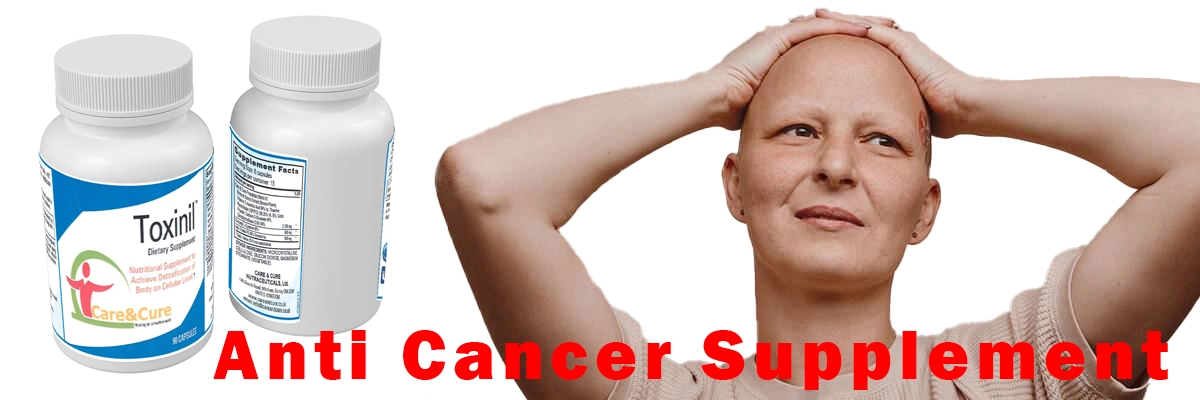
Cancer-fighting supplements have garnered attention in lately for their potential role in assisting overall health and helping in the treatment of cancer. These nutritional aids frequently feature nutrients, essential minerals, herbal extracts, as well as various natural ingredients which evidence suggests might possess characteristics advantageous for individuals with cancer. The popularity for these supplements may arise from a need to improve the effectiveness of treatments, treat symptoms, as well as enhance quality of life during difficult circumstances.
Research findings behind these supplements varies widely, as while some exhibit greater potential than their counterparts in scientific studies. For example, antioxidant compounds have drawn interest for their ability to safeguard cells amid oxidative stress, a factor in cancer progression. Still, the benefits of antioxidants during cancer therapies remain a topic of debate, prompting a necessity to those affected to view such aids with caution and an informed perspective.
It's important for individuals considering onco-supportive supplements to engage in conversations with one’s healthcare team. Not all supplements are suitable for everyone, while certain ones may actually hinder standard cancer therapies. Grasping how to differentiate supportive helpful aids and those that should be avoided during cancer treatment is key in creating a comprehensive health strategy tailored to individual patient needs.
Research-Based Research on Supplements
Studies into the effectiveness of anti-cancer supplements have yielded a range of results. Some studies propose that particular vitamins and minerals, such as vitamin D and selenium, could assist in reducing cancer risk or enhancing treatment outcomes. Evidence backs the use of certain antioxidants in supporting cellular health, potentially helping to neutralize harmful free radicals. However, it's crucial to note that although some supplements show promise in preliminary studies, further research is necessary to establish their effectiveness and safety in cancer support.
In addition, clinical trials have investigated herbal supplements, such as turmeric and green tea extract, for their possible anti-cancer properties. These natural compounds are recognized for their active ingredients, which may exhibit anti-inflammatory and antioxidant effects. While results from these studies are positive, they often come with caveats, emphasizing the importance of considering the broader context of treatment and individual health conditions. The integration of these supplements within a holistic treatment plan should always be guided by healthcare professionals.
As patients explore supplement options, understanding the difference between evidence-based recommendations and anecdotal claims is key. The landscape of cancer support supplements is fraught with misinformation, making it essential to rely on scientific data and clinical studies. Patients are urged to consult their supplement choices with oncologists to understand potential benefits and risks, ensuring a more knowledgeable approach to their health during treatment.
Guidelines for Secure Supplement Consumption
When considering the consumption of supplements during cancer treatment or for cancer prevention, it is crucial to focus on safety and efficacy. Always talk with your healthcare provider before initiating any new supplement regimen. Your healthcare provider can provide personalized advice based on your medical history, current treatment plan, and specific health needs, ensuring that the supplements will not interfere with standard cancer therapies.
It is also important to choose high-quality supplements from trustworthy sources. Seek out products that have passed third-party testing for purity and potency. Pay close attention to labels and select supplements that clearly state their ingredients, dosages, and any potential allergens. https://telegra.ph/The-Ultimate-Guide-to-Anti-Cancer-Supplements-Which-Are-Effective-and-What-Doesnt-01-09 helps that you are taking effective and safe products, minimizing the risk of contaminants or unverified claims.
Lastly, be aware of the potential for interactions between supplements and cancer treatments. Some supplements may boost the effects of medications, while others could diminish their effectiveness. Frequent discussing your supplement use with your healthcare team can help you navigate these interactions, allowing you to make knowledgeable decisions that support your overall health and wellness during cancer care.